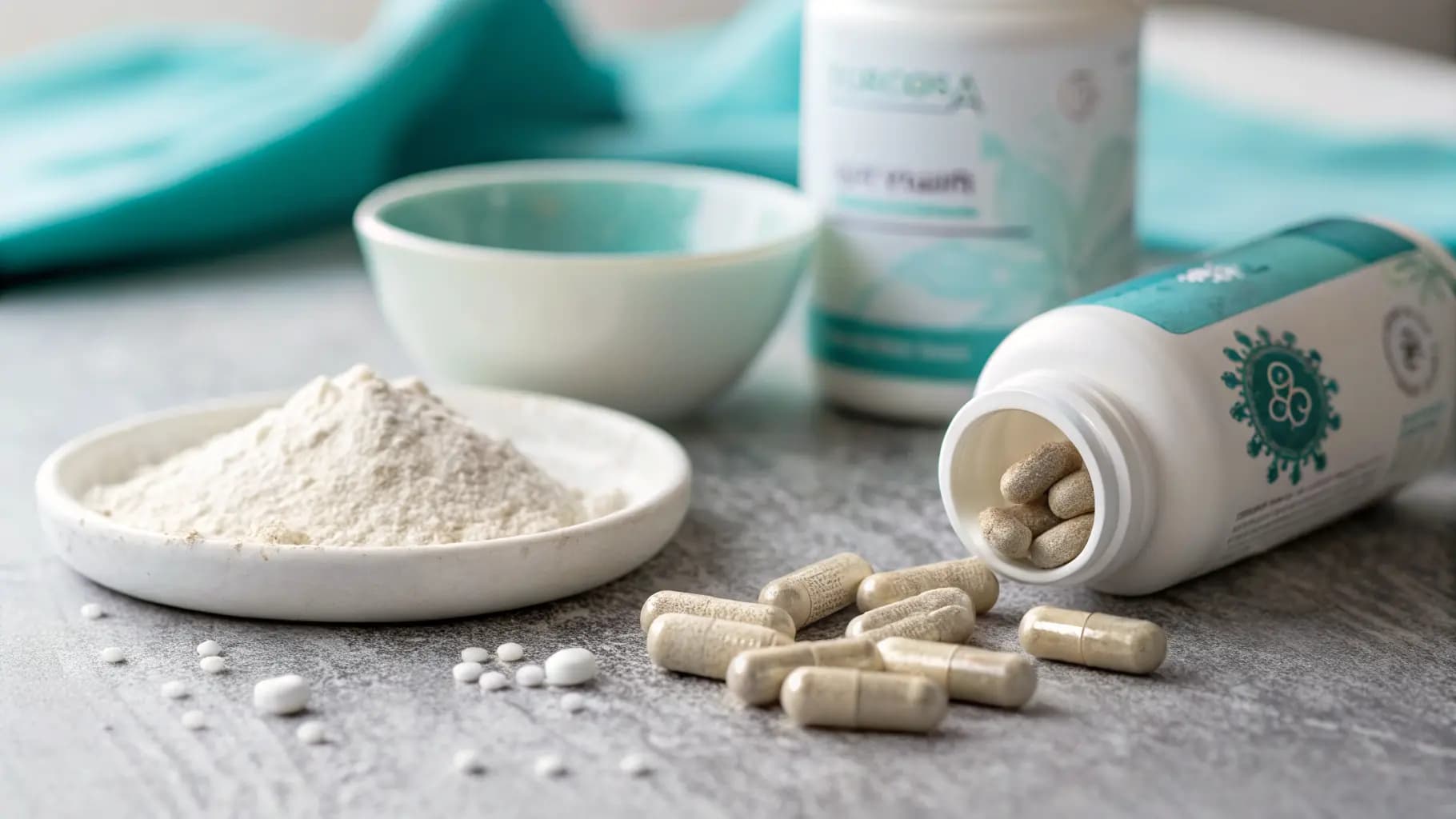
Creatine may be reclassified as a conditionally essential nutrient. A 2026 evidence-based framework proposes the first dietary reference intakes (DRIs) for creatine, which would shift it from "optional sports supplement" into the same regulatory category as vitamins and minerals. For supplement brand founders, that opens three concrete opportunities: vastly broader target demographics (vegans, older adults, women, cognitive health consumers), demand for premium non-powder formats (RTDs, gummies, nootropic stacks), and a much stronger marketing hook than "performance enhancer."
For decades, creatine has been the workhorse of sports nutrition. It is one of the most researched supplements on the planet, with a safety and efficacy profile that few ingredients can match (ISSN position stand, Kreider et al., 2017). But in early 2026, something shifted: a new evidence-based framework proposed that creatine should have its own dietary reference intakes (DRIs), effectively positioning it as a conditionally essential nutrient.
That is not just an academic distinction. It is a signal that could reshape how creatine products are formulated, marketed, and positioned, and open doors for brands that move early.
What does "conditionally essential" actually mean?
Nutrients are classified as essential when the body cannot produce enough on its own and must obtain them through diet. Creatine occupies a grey zone: the body synthesizes it from amino acids (arginine, glycine, and methionine), but endogenous production may not meet physiological demands in all populations.
The new framework argues that certain groups, including vegans, vegetarians, older adults, and individuals with low animal-protein intake, may not produce or consume enough creatine to support optimal function. For these populations, creatine behaves like an essential nutrient: dietary intake becomes necessary to fill the gap.
By proposing DRIs for creatine in healthy adults, researchers are asking regulatory bodies to treat it with the same scientific rigor as vitamins and minerals. That is a meaningful upgrade in status for an ingredient that many consumers still associate exclusively with bodybuilding.
Why does this matter for supplement brand founders?
If you are building or scaling a supplement brand, the reclassification of creatine opens several strategic doors.
1. A much broader target demographic
Creatine's traditional audience has been gym-goers and athletes. A "conditionally essential" classification broadens the addressable market dramatically:
- Vegans and vegetarians who get zero dietary creatine from animal sources
- Older adults concerned with cognitive function and muscle preservation
- Women, a demographic historically underserved by creatine marketing
- General wellness consumers looking for evidence-backed daily supplements
The positioning shift from "performance enhancer" to "essential nutrient" is the kind of reframing that changes category dynamics.
2. Premium and non-powder format innovation
The market is already responding. In March 2026, the UK's first nootropic creatine soda launched, positioning creatine alongside caffeine and L-theanine as a cognitive performance ingredient (NutraIngredients, March 2026). Meanwhile, ingredient suppliers like Qura Creatine are entering as "challenger ingredient brands" with ultra-pure, soluble, transparent white-label formulations designed for premium products.
These are not incremental changes. They signal that creatine is moving from bulk powder tubs toward:
- Ready-to-drink functional beverages
- Nootropic stacks and cognitive performance blends
- Gummies and convenient daily formats
- Clean-label formulations with full transparency
For contract manufacturers and private and white label supplement programs, that means real, sustained demand for creatine in non-traditional formats, not just powder tubs.
3. The vegan creatine gap
This is arguably the most underserved opportunity. Vegans and vegetarians produce creatine endogenously but receive zero from dietary sources (creatine is found almost exclusively in animal tissues such as meat and fish). Research has consistently shown that vegetarians tend to have lower muscle creatine stores compared to omnivores (Burke et al., 2003, Med Sci Sports Exerc).
If DRIs for creatine are adopted, the conversation shifts from "nice-to-have sports supplement" to "you may be deficient." For plant-based consumers, that is a powerful message, one that aligns with how the vegan supplement market already thinks about B12, iron, and omega-3s.
Brands that position creatine as part of a vegan essential nutrient stack could carve out significant market share in a space with relatively little competition.
How does creatine support brain health?
One of the most interesting dimensions of creatine's reclassification is the growing body of evidence around cognitive benefits. The brain is one of the most metabolically active organs in the body, and it relies on phosphocreatine for rapid energy replenishment.
Research published in the last few years points toward creatine supporting:
- Working memory and processing speed, particularly under stress or sleep deprivation (Avgerinos et al., 2018 systematic review)
- Cognitive resilience in aging populations, where brain creatine levels naturally decline
- Neuroprotective potential in preclinical models (Roschel et al., 2021, Nutrients)
This is the science behind the nootropic creatine products hitting the market. For brands in the cognitive health, healthy aging, or mental performance categories, creatine is no longer a stretch. It is becoming a credible formulation choice backed by peer-reviewed evidence.
What changes if the DRI framework is adopted?
If regulatory bodies adopt dietary reference intakes for creatine, several practical shifts follow:
For formulation: Products could list creatine alongside vitamins and minerals with a defined recommended intake, lending legitimacy and simplifying consumer education.
For claims: A DRI framework could support structure/function claims around creatine adequacy, similar to how calcium claims reference bone health or vitamin D claims reference immune function.
For positioning: "Conditionally essential" is a much stronger marketing hook than "optional performance ingredient." It suggests necessity, which is a different conversation with the consumer.
For differentiation: Brands that move early to position creatine as an essential daily nutrient, rather than an optional training aid, will establish category leadership before the mainstream catches up.
How should brand founders act on this?
If you are a supplement brand founder or formulator evaluating your next product, here is where the creatine opportunity is most actionable:
-
Evaluate your audience. If your brand serves vegans, plant-based athletes, older adults, or cognitive health consumers, creatine supplementation addresses a genuine nutritional gap for these groups.
-
Explore non-traditional formats. The days of creatine as unflavored white powder are numbered for mainstream consumers. Functional beverages, gummies, stick packs, and RTD formats are where growth is heading. Our manufacturing capabilities page covers the formats our partner facilities support.
-
Source premium-grade creatine. As the category premiumizes, ingredient quality becomes a differentiator. Ultra-pure, highly soluble creatine monohydrate (like what Qura and other challenger brands offer) supports clean-label positioning and a better consumer experience.
-
Lead with the science. Creatine has one of the strongest evidence bases in all of sports nutrition. Use it. Reference the DRI framework, cite the research, and position your brand as the one that takes ingredient science seriously.
-
Track the regulatory side. If dietary reference intakes for creatine start getting traction with bodies like the National Academies (US and Canada) or EFSA (Europe), brands that moved early will be in a much better spot on reformulation, claims, and positioning. This is not happening in 2026, but the signals are starting.
Where is this trend headed?
Creatine going from "gym supplement" to "conditionally essential nutrient" is not marketing spin. It is a reclassification built on decades of accumulated evidence, and it is happening in the published literature right now (NutraIngredients DRI framework coverage, March 2026). For founders, it is one of the rare moments where the science, the consumer awareness, and the unserved market segments all line up at the same time.
The brands that clock the shift early and build products around it will be the ones writing the next chapter of this ingredient's story. The ones that wait for the change to be obvious will be writing press releases about it a year later.
FAQ
Is creatine being officially reclassified as an essential nutrient in 2026?
Not yet. A 2026 evidence-based framework proposes that regulatory bodies establish dietary reference intakes (DRIs) for creatine, which would effectively classify it as a conditionally essential nutrient for certain populations. Formal adoption by bodies like the US and Canadian National Academies or EFSA has not happened. The proposal is the news; the regulatory change is the longer arc.
Who would actually be considered creatine deficient under the new framework?
The populations most likely to fall short of physiological requirements are vegans and vegetarians (zero dietary creatine intake from animal foods), older adults (declining endogenous synthesis and lower meat intake), and individuals with low animal-protein diets generally. Endurance athletes with high turnover may also fall into the gap.
What forms of creatine should brand founders use in non-powder formats?
Creatine monohydrate remains the gold standard for evidence, safety, and cost (ISSN position stand). For solubility-sensitive formats like RTD beverages and clear sodas, ultra-fine micronized monohydrate or specialty branded forms (Creapure, Qura) deliver better mouthfeel and clarity. Exotic forms such as HCl, ethyl ester, and buffered creatine do not have a stronger evidence base than monohydrate.
Can creatine be claimed for cognitive benefits on a Canadian NPN product?
Cognitive claims for creatine require evidence supporting the specific claim and population. Health Canada's NPN monographs currently support claims around physical performance and muscle recovery; cognitive claims are reviewed case-by-case and typically require submitting supporting evidence. Our NPN application service walks you through the claim-substantiation step.
How long does it take to launch a creatine product in a non-powder format?
For a stock-formula creatine product (powder, capsule), 6 to 8 weeks is typical. For a custom RTD beverage or functional gummy with creatine, expect 12 to 20 weeks because of formulation, stability testing, packaging procurement, and bilingual label work. Get a project quote and we will scope timing against your format and SKU.
Who is this opportunity not a fit for?
If your brand is purely a peak-performance bodybuilding line, the broader essential nutrient reframing may dilute your positioning. The opportunity is largest for brands in women's wellness, healthy aging, cognitive performance, and plant-based categories, where creatine has historically been underused.
Sources: NutraIngredients reporting, March 23 to 30, 2026, covering the proposed creatine DRI framework, Qura Creatine's market entry, and the UK nootropic creatine soda NPD; ISSN position stand on creatine (Kreider et al., 2017, JISSN); systematic review of creatine and cognition (Avgerinos et al., 2018, Experimental Gerontology); creatine in brain function review (Roschel et al., 2021, Nutrients); vegetarian muscle creatine research (Burke et al., 2003, Med Sci Sports Exerc). LumaNutra independently reviews all cited research before publication.